How to Style Your Living Room Sofa Without Buying a New One
When a living room feels unfinished, the sofa often gets blamed first.
It may seem too plain, too neutral or simply not exciting enough. But before replacing the largest and most expensive piece in the room, look at what is happening around it.
Very often, the sofa itself is fine. What is missing is connection: texture, lighting, a rug, something on the wall or a few details that make the seating area feel intentional.
A few thoughtful changes can alter the whole mood of the room without turning it into a major decorating project.
Start With the Area Around the Sofa
Look at the sofa from across the room.
Does it seem to sit by itself?
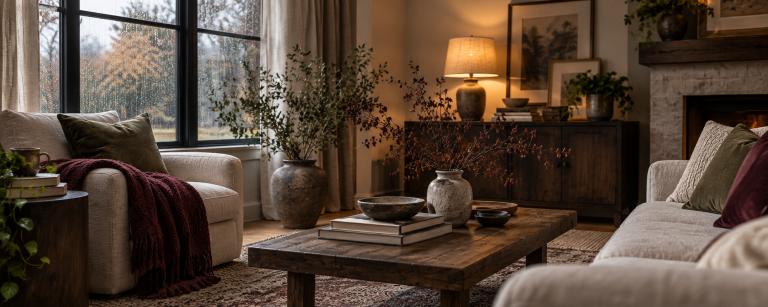
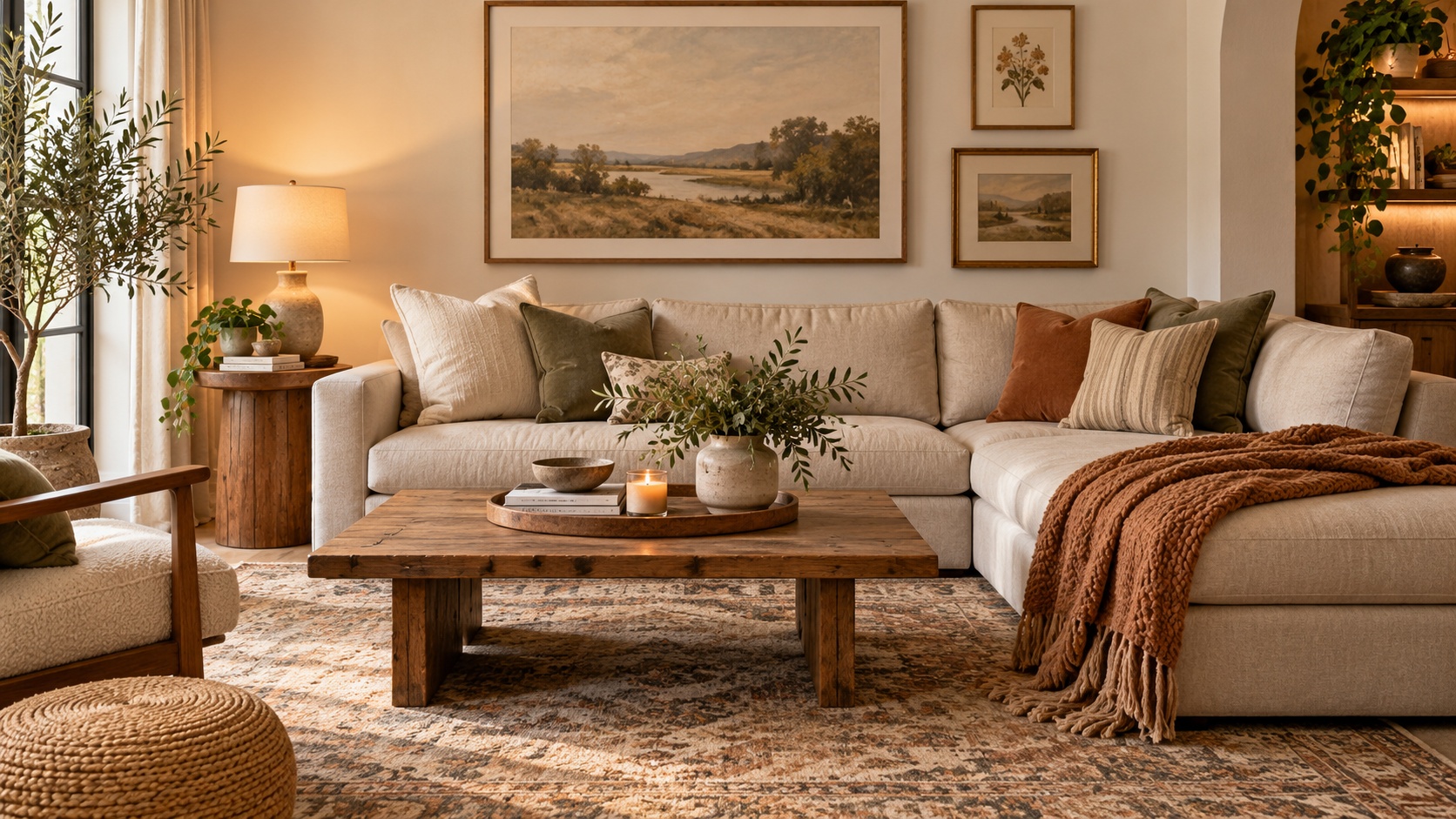
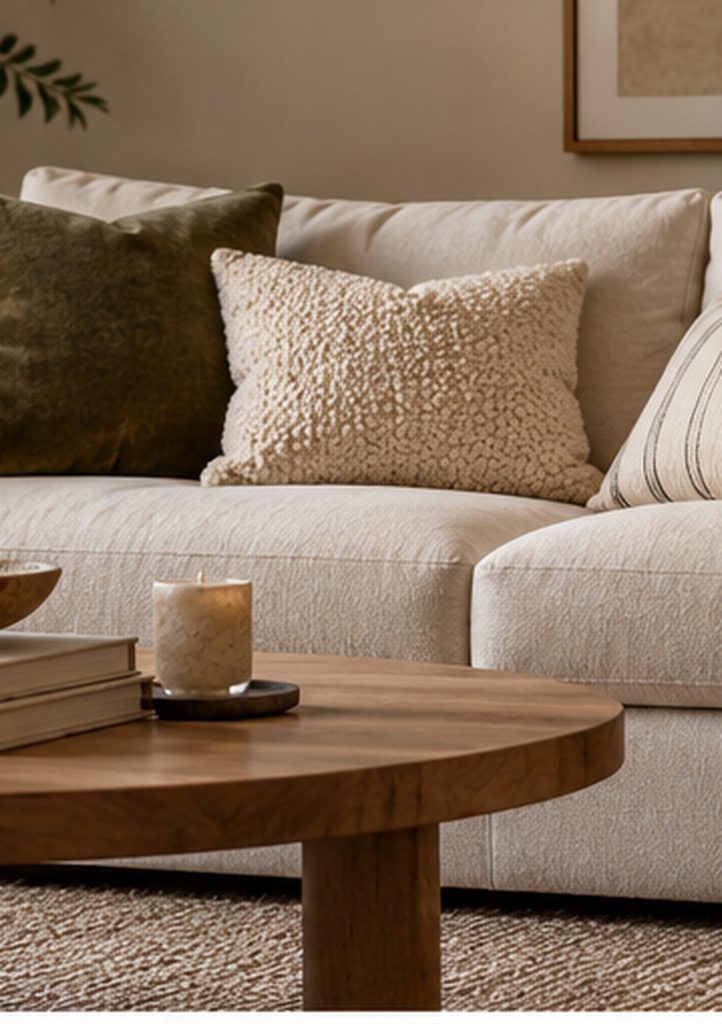
A sofa usually feels more settled when the surrounding pieces visually belong together. A rug can define the seating area, a lamp creates a softer layer of light, and a small side table or plant gives the eye something to move toward.
The wall behind the sofa matters too. A very small picture on a large empty wall can make the furniture feel even more isolated.
The goal is not to fill every empty space. It is to make the main elements feel connected.
Use Cushions for Layers, Not for Filling Every Seat
There is no perfect number of cushions for every sofa.
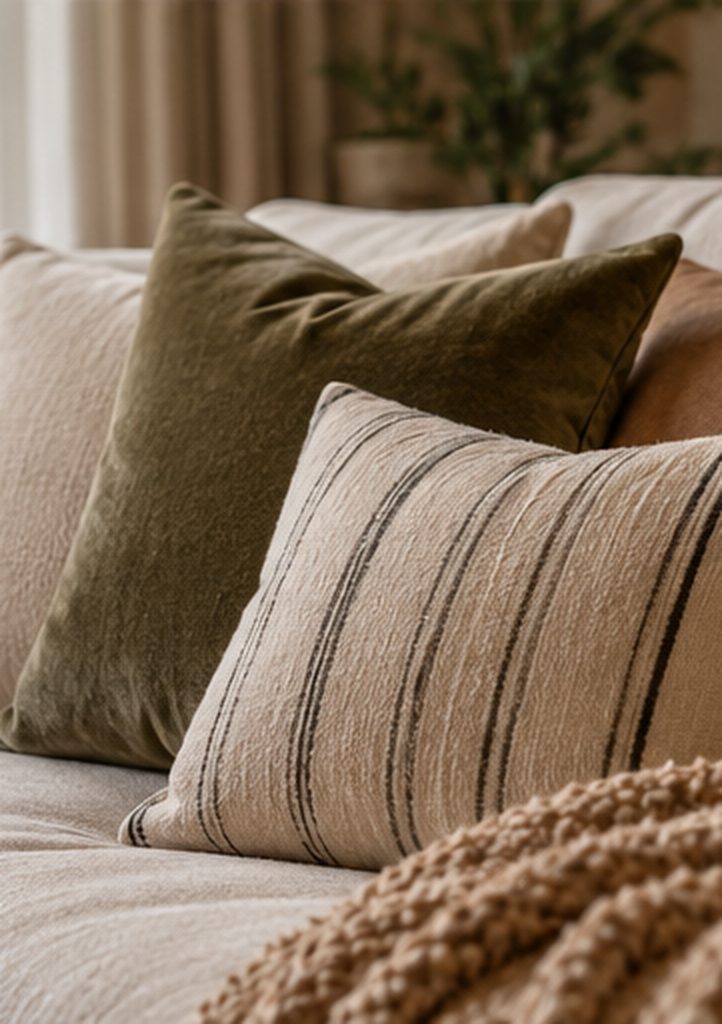
A smaller sofa may need only two or three. A larger one can handle more, as long as there is still enough space to sit comfortably.
Mixing sizes usually looks more natural than using several identical cushions.
Place the larger ones toward the corners and use smaller cushions in front if you want more depth.
Instead of buying a perfectly matching set, try combining a solid color, a subtle pattern and an interesting texture.
That gives the sofa variety without making it look busy.
Choose a Small Color Story
If you are unsure which colors to use, begin with what is already in the room.
Look at the sofa, rug, curtains, walls and larger furniture.
Then choose two or three tones that connect with those elements.
A beige sofa might work with cream, warm brown and olive. Grey can sit beautifully with dusty blue, charcoal or rust.
You do not need many accent colors.
Repeating one tone in two or three small places often makes the room feel more considered than adding five unrelated colors.
Let Texture Do Some of the Work
A room can have very little color and still feel warm.
Texture is often the difference.
Linen, velvet, bouclé, woven cotton, wool and chunky knits all reflect light differently and create depth.
This is particularly useful with neutral sofas. Instead of trying to make beige or grey more exciting with lots of bright colors, you can combine several materials within the same quiet palette.
The result feels layered without becoming visually noisy.
Add a Throw Without Making It Look Too Perfect
A throw can soften a sofa immediately, but it does not need to be arranged with perfect symmetry.
Fold it loosely over one corner or let part of it fall naturally over an arm and onto the seat.
Heavier materials tend to create more visible texture, while lighter fabrics give a softer look.
The best arrangement is usually the one that still looks comfortable enough to actually use.
Think About the Rug as Part of the Sofa Area
A rug that is visually disconnected from the sofa can make the seating area feel fragmented.
As a general starting point, choose a rug large enough for at least the front legs of the sofa to sit on it.
In a larger room, more of the furniture can sit on the rug.
Exact measurements depend on the room, furniture and walking space, so proportions matter more than following a universal number.
The aim is for the sofa, table and rug to read as one seating zone.
Lighting Changes More Than Decoration
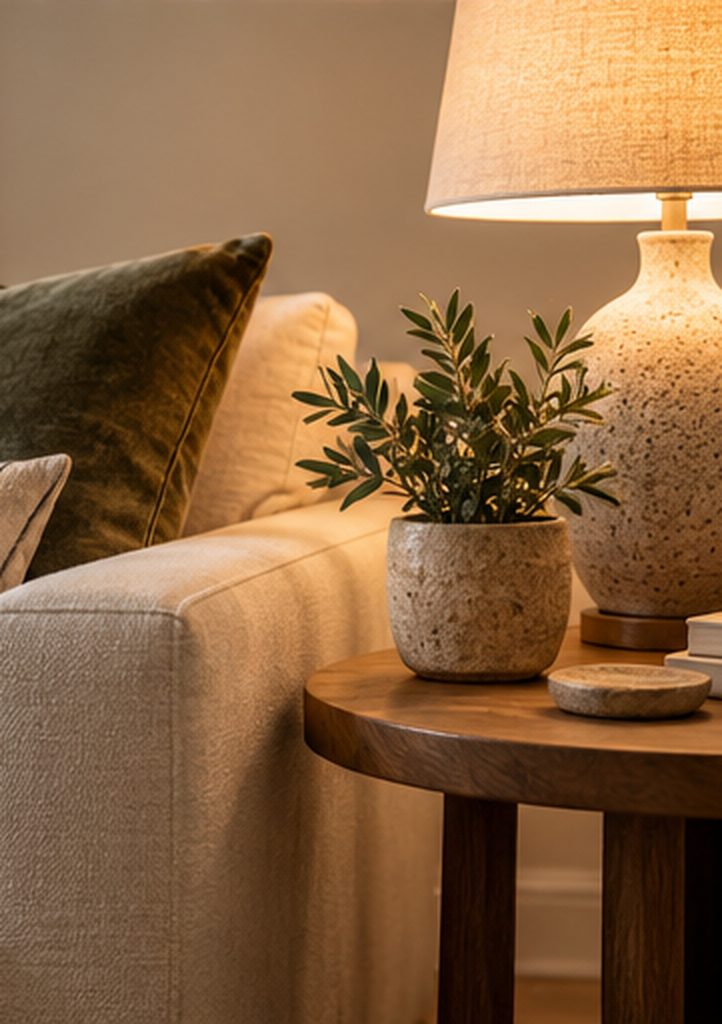
If the room feels comfortable during the day but flat in the evening, the problem may be lighting rather than furniture.
A floor lamp beside the sofa or a table lamp on a side table creates a more intimate layer of light than relying only on the ceiling fixture.
You do not need every corner equally bright.
A room often feels more comfortable when it has a combination of brighter and softer areas.
Do Not Forget the Wall Behind the Sofa
Artwork can help anchor the furniture below it.
One larger piece, a pair of prints or a simple gallery arrangement can all work.
What matters most is proportion.
A tiny picture above a long sofa may look lost, while a very large piece can dominate a smaller room.
Try viewing the arrangement from across the room before deciding whether the scale feels right.
A Side Table Can Finish the Corner
A side table is practical, but it also helps the sofa feel connected to the rest of the space.
It gives you somewhere for a lamp, book or cup, and introduces another shape or material.
If the sofa and other furniture contain many straight lines, a round table can add contrast. In a more structured room, a square or rectangular design may fit naturally.
Function should still come first. The table needs to be comfortable to reach from the sofa.
Small Changes Can Be More Effective Than More Furniture
When a room feels incomplete, adding another chair or cabinet is not always the answer.
Sometimes the missing ingredients are much smaller: a rug that better connects the seating area, warmer evening light, a throw with visible texture or artwork with better proportions.
Start with what affects the largest visual area first.
Then add smaller details only if the room still needs them.
Common Sofa Styling Problems
A sofa can start to look cluttered when every cushion is the same size, when there are so many pillows that sitting becomes inconvenient, or when every accessory comes from the same matching collection.
The opposite can also happen: a bare sofa, tiny rug and single ceiling light may leave the room feeling unfinished.
The most comfortable result usually falls somewhere between those extremes.
Final Thoughts
A sofa does not need to be spectacular on its own.
It needs to belong to the room around it.
When the rug, lighting, cushions, wall and nearby furniture work together, even a very simple sofa can become the natural center of a warm living space.
The goal is not to make the room look staged.
It is to make it feel considered, comfortable and easy to live in.